Swim Decision Guide
Best Water Temperature for Swimming
Not just water temperature — whether water, air, wind and waves line up for a comfortable swim. Live Swim Comfort Score, ideal bands for every swimmer type, wetsuit thresholds and peak-month water temperatures for 12 popular destinations.
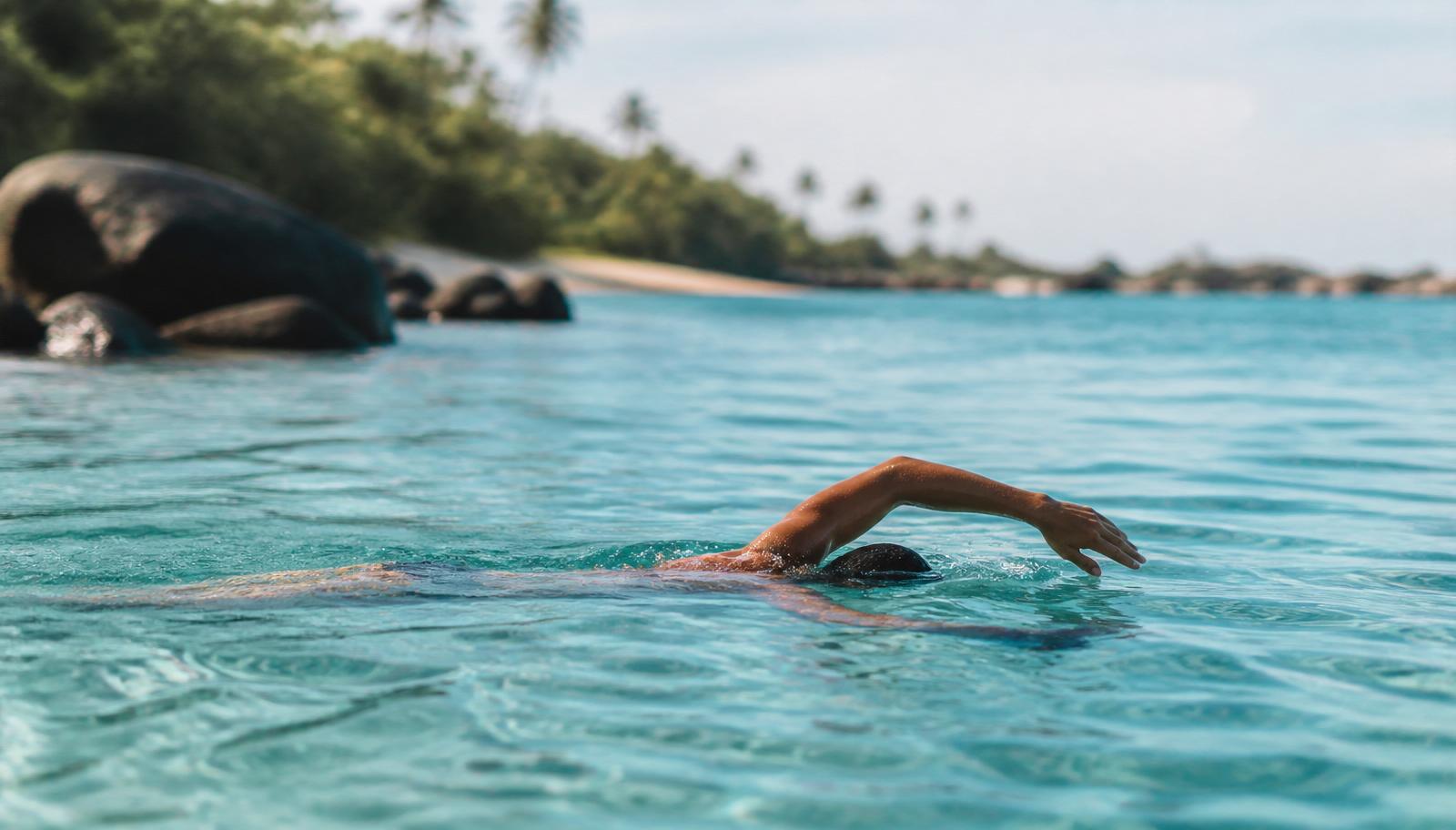
Excellent conditions with one minor caveat below.
Signature feature
Ideal Water Temperature by Comfort Band
Six thermal bands — cold-shock to too-warm — with what each feels like, how long you can safely swim, and which destinations sit in each.
Wetsuit mandatory. Never swim alone. Trained cold-water swimmers only.
10–20 min sessions max without wetsuit. UK & Nordic sea in summer.
Ideal for trained swimmers & serious training. Med in early summer.
The sweet spot. Nice in August, Waikiki, Bali, Barbados.
Kids happy. No cooling effect on hot days. Maldives, Miami.
Not safe for prolonged effort. Persian Gulf in peak summer.
Peak-month reference
12 Popular Swim Destinations, Ranked by Water Temperature
Peak-month water and air temperatures based on NOAA and Copernicus Marine Service climatology (1993–2023). Use it to match a destination to your comfort band.
| Destination | Peak month | Water |
|---|---|---|
| Maldives | March | 29°C |
| Bali (Kuta) | August | 28°C |
| Cancún | August | 29°C |
| Nice | August | 25°C |
| Santorini | August | 26°C |
| Sydney (Bondi) | February | 23°C |
| Miami Beach | August | 30°C |
| Honolulu (Waikiki) | September | 27°C |
| Barcelona | August | 24°C |
| Cornwall (Fistral) | August | 17°C |
| Lake Como | August | 24°C |
| Zanzibar | March | 29°C |
Frequently asked
Water temperature & swimming, answered
Ideal water temperature
What is the best water temperature for swimming?
Is 20°C water cold to swim in?
What temperature is dangerous to swim in?
Is warm water always better?
The Swim Comfort Score
How is the Swim Comfort Score calculated?
Why does the score include air temperature?
Why does wave height matter for swim comfort?
Where and when
Where is the warmest sea water in the world?
When is the Mediterranean warmest for swimming?
Can you swim year-round anywhere in Europe?
What is the coldest water most people should swim in?
Safety and practice
Do you need a wetsuit for swimming?
What is cold-water shock?
How long can I swim safely at each temperature?
Methodology
How we built the Swim Comfort Score
Methodology & Editorial Standards
Full transparency on how every score, threshold and recommendation on this page is produced.
How the Swim Comfort Score is calculated
A pure function starts at 70 and applies capped deltas for four inputs: water temperature (against the ideal band for the selected swimmer type), air temperature (with an extra penalty when air is 12°C+ warmer than water — the classic cold-shock-on-entry setup), wind (calm to gale), and wave height. Perfect water in the ideal band adds +18; cold-shock water (below 12°C) subtracts up to 55. Rating bands: 82+ Perfect, 70–81 Very Good, 55–69 Good, 35–54 Chilly, below 35 Avoid.
Data sources
Peak-month water temperatures in the destinations table are drawn from NOAA Coastal Water Temperature Guide and Copernicus Marine Service climatology (1993–2023). Ideal comfort bands per swimmer type are based on published FINA open-water rules and NHS / Royal Life Saving Society cold-water guidance. Live weather inputs to the Decision Card are entered manually here — pair with any of our beach or destination pages for live readings.
Limitations
Peak-month temperatures are 30-year averages; a specific year can deviate by 1–3°C due to El Niño, marine heatwaves, and upwelling events. The score treats sheltered water and open water identically for temperature — a sheltered cove in windy conditions is safer than the open score suggests. Wetsuit assumptions (3mm baseline) are guidance, not medical advice.
Last reviewed
This guide was last reviewed on July 12, 2026. Scoring thresholds are reviewed quarterly.
Editorial standards
Recommendations are written to help readers make a real decision, not to optimise for keywords. No generic filler, no AI boilerplate. Every threshold is traceable to a public meteorological reference or a documented internal heuristic.
Safety policy
Water below 15°C triggers the cold-shock reflex — never enter fast, always with a buddy, and consider a wetsuit even for short sessions. Waves above 1.2m make open-water swimming unsafe for anyone but trained swimmers. Kids cool 2–3× faster than adults and should halve every safe-duration estimate. When lightning is within 10 km, exit the water immediately regardless of the score.